We endorse James O’Brien for Illinois House District 13.
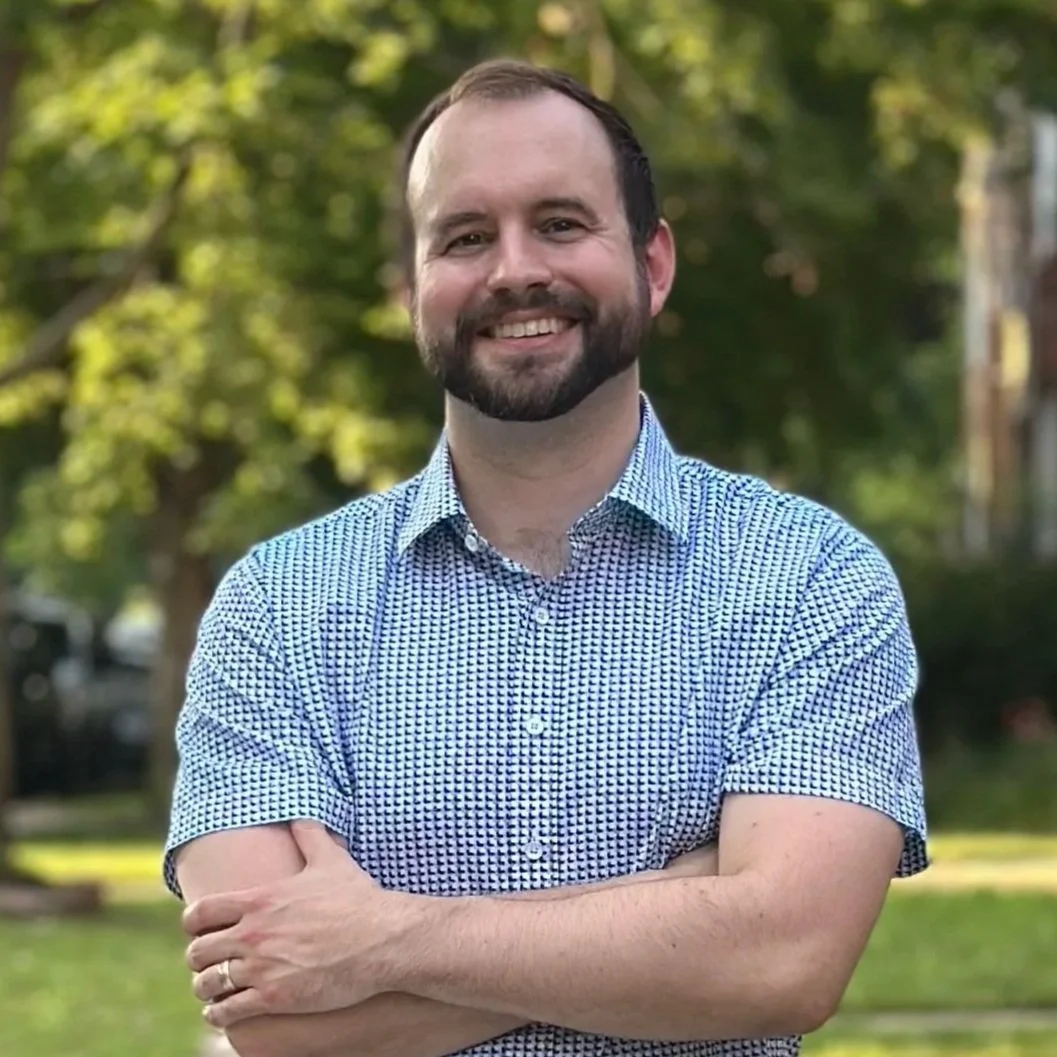
James O’Brien’s deep policy knowledge made him stand out from a crowded field of candidates as the person best positioned to tackle the next stages of NITA implementation: board appointments, oversight, and trailer bills. James’ commitment to a multi-modal transit system is personal. “I grew up in the city and took public transit as a young child and know what it feels like to rely on public transit and bicycling as your only available forms of transportation.“
Chicago’s transit systems deserve a champion, and James is ready to go on day one.
Read James’ responses to our 2026 questionnaire
What types of transportation do you use during an average week, and how has this shaped your view of transportation policy?
During the average week, I take the brown line, the Lawrence 81 bus, bicycle (my own and Divvy), and a car trip or two. We are a one car household as a result of me purchasing a vehicle when I lived in Springfield, IL. I would prefer to solely take public transit as I find it more enjoyable (Chicago was just named worst traffic city in USA) but unfortunate system design makes it difficult to effectively utilize for some trips around Chicagoland.
The varied ways I travel give me a holistic perspective on the transportation systems available in Chicago. I grew up in the city and took public transit as a young child and know what it feels like to rely on public transit and bicycling as your only available forms of transportation. And as I’ve gotten older, traveled, and gained perspective it’s helped me get a better sense of the things Chicago’s transportation system does well but also what we can improve upon. My wife is from Texas and moved to Chicago because she wanted a large city with public transit. When we visit her family, there are no options outside of the car and it makes us realize how lucky we are to have the system we do. But on the other end of the spectrum, traveling to countries with modernized systems shows how we have to go on ease of use.
That reality doesn't need to be a foreign experience, we just need to vote for candidates that have a track record of delivering results instead of empty rhetoric.
What are some transportation challenges in your district?
I love that the district is one of the most transit rich areas in the country, with eight CTA train stations, a Metra stop, and numerous bus routes. There are solid bones to the system and addressing the remaining challenges is key to taking our public transit from good to great. I am optimistic that NITA will have the organizational structure and budget to address longstanding issues. Some of the key issues affecting the CTA in the 13th District are significant construction delays (Western Ave. and delays for Red Line modernization), lack of direct public transit to O'Hare (Brown Line needs to be extended down Lawrence to connect with Blue Line), longstanding staffing problems, poor track conditions which have contributed to extended headways, significant service disruptions, and for many the ability to afford public transit. Antisocial behavior that undermines ridership and confidence in public transit also remains a very complicated problem I will support NITA in addressing. And while the district is becoming easier to bike in, there still need to be more protected lanes as there have been fatal accidents.
Additionally, we have also for too long allowed opportunities for significant improvement to slip away. For example, I will support the implementation of the Western Avenue Corridor study including bus rapid transit along Chicago’s longest street. Similarly, we need to take building complete streets seriously. Our bike grid will be most quickly and efficiently built out by more firm policy directives to take advantage of regular street repair projects by including the deployment of high quality protected bike lanes in such projects because the additional costs are negligible. Lastly, some of our neighborhood greenways are in a state of poor repair, we need to do a better job ensuring local streets are in a state of good repair.
The Illinois Department of Transportation (“IDOT”) plays a significant role in transportation throughout the state, in Chicago, and Cook County. What is your opinion on their role with the Chicago Department of Transportation, Cook County Department of Transportation and Highways, local communities, and the impact that has?
I am bullish on the prospects that IDOT can be a positive force within the group of agencies that play roles in our transit. IDOT has been transforming from an agency almost singularly focused on the expansion of the state roadway network to an agency with a more broad view of transportation. The appointment of Gia Biagi was an excellent choice by the Governor and one that I see as a major step towards that vision. IDOT needs to continue to make strides towards becoming a multimodal agency and I will support IDOT in making those changes.
How do you view the Illinois General Assembly’s role in setting IDOT’s priorities for public transit, passenger rail, and strengthening accessibility in transportation?
Budgets are moral documents. The forms of transit we fund are the most clear indicator of our values. The power of the purse is also the strongest tool the state legislature has. As I mentioned above, I am optimistic that IDOT can be an ally in building a state transportation network that is world class in all forms of accessible transit. To ensure this the General Assembly must make its intentions clear with both clear policy directives and tone setting with specific funding for key projects. I would use my significant experience in public budgeting and negotiations to do everything I can to ensure IDOT is building out the next generation of public transit.
States like Colorado, Minnesota, Virginia have passed legislation that has shifted their transportation infrastructure spending towards projects that prioritize safety, transit and cycling, and greenhouse gas mitigation. What’s your position on Illinois’ current transportation infrastructure spending, and if you could change anything, what would it be?
Illinois needs to refocus its prioritization towards projects that reduce emissions and improve safety for vulnerable road users like cyclists and pedestrians. We should focus more on building sustainable, multimodal projects which connect our communities and fight climate change. I turned down a lucrative lobbying offer to pivot my entire career to addressing the climate crisis and transportation is the largest emissions sector. I will do everything I can to be helpful on this issue.
This fall, the Illinois General Assembly passed a historic investment in transit operations – as well as significant governance reforms in the establishment of the Northern Illinois Transit Authority. How do you view the Assembly’s role in ensuring both the short- and long-term success of this legislation?
As the only person in the race who has worked on both legislation and policy implementation, I have a unique perspective on how to ensure transit reform achieves its intended outcomes. The investment the General Assembly made during veto session is a huge opportunity if executed properly. After filling projected budget shortfalls NITA will still have over $1 billion in new funds. These funds need to be used with great efficacy to ensure public trust and support remains strong for continued investment. NITA has many problems to tackle including maintaining and improving outdated infrastructure, improving rider safety, and expanding service in underserved corridors like Western Avenue. The role of the next General Assembly will be supporting the progress of NITA with sustained oversight through regular legislative hearings to understand implementation progress, ability to revisit revenue tools down the road if gaps emerge, and following up with trailer bills to correct issues that are inevitable with legislation of this scale.
What is your position on investing to expand passenger rail service in Illinois, including the development of high-speed rail?
We need to do everything we can to make high-speed rail a reality. I have regularly ridden the Amtrak Texas Eagle train since 2013 and have seen significant progress in speed and rider experience during that time. While not technically classified as high-speed rail, the upgraded sections that go up to 110mph have continued to make the line more attractive by expediting travel times. However, perhaps more important than the marginal speed increases themselves are making sure the lines are dedicated to passenger rail to avoid conflicts with freight trains that create significant delays. According to Amtrak, only 56% of Texas Eagle line riders were on time in 2024. When passengers cannot count on the reliability of the system they avoid it entirely. I support working with AMTRAK to ensure funding for the elimination of remaining slow areas and investments in rolling stock and operations to focus on minimizing delays. We should also support investment in new and dedicated high speed rail, utilizing existing rights of way near highways and transmission lines to expedite regulatory processes.
However, those efforts should not come at the expense of efforts to transform Metra from a commuter rail service to a true regional rail service. This support needs to come in the form of funding, political support, and the granting of necessary legal authority for Metra to make efficient capital investments.
Federal funding for Illinois transportation projects – such as the Red Line Extension and Red-Purple Modernization projects – has come under threat from the Trump administration. How can legislators shore up funding for critical infrastructure projects under a hostile federal climate?
This Federal administration has launched an all out attack on funding for every program key to working people. Transit sits right alongside healthcare, energy, and every other program targeted by the President’s illegal impoundments. The General Assembly needs to responsibly ensure they pass a budget capable of weathering the storm. To help provide breathing room and insulate key expenditures from Washington I support the Illinois Revenue Alliance’s proposed reforms to raise revenue such as a digital ad tax, putting constitutional amendment for a progressive income tax on the ballot every cycle until it passes, weighted vehicle taxes to have larger vehicles that present road safety and maintenance issues pay their fair share, fees on data centers, a climate superfund, and other streams of revenue that do not adversely harm everyday people.