We endorse Mary Beth Canty for Illinois House District 54.
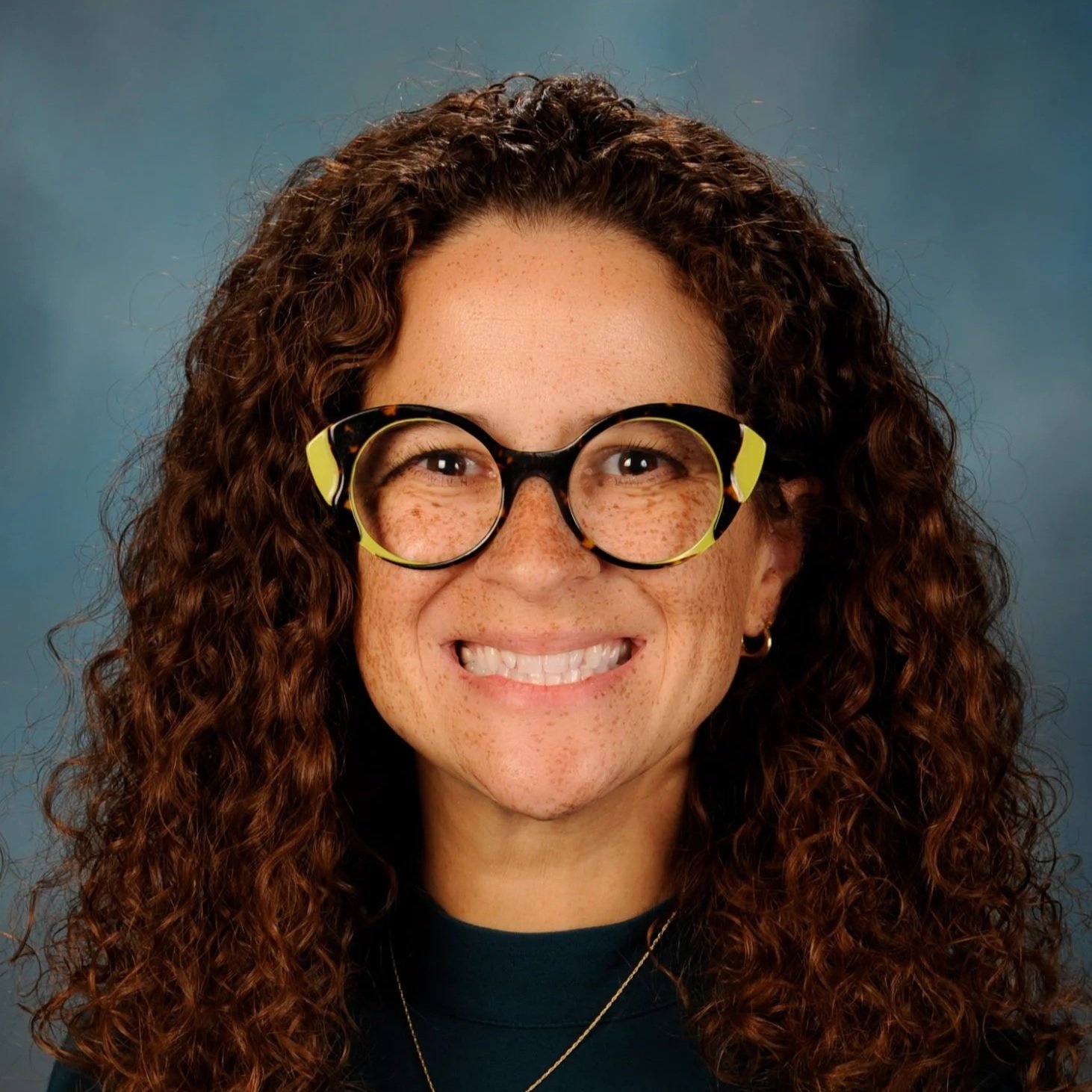
“As a working parent in the northwest suburbs, I rely on a mix of transportation every week: driving my kids to school and activities, taking Metra for work and meetings, and walking in my neighborhood whenever possible. Experiencing those systems firsthand — especially the gaps and delays — has reinforced my belief that we need strong, reliable, and well-funded transit options. Families, seniors, and workers depend on it. A modern, efficient transportation network is essential for economic opportunity, environmental sustainability, and quality of life in our region.”
Read Mary Beth Canty’s responses to our questionnaire
What types of transportation do you use during an average week, and how has this shaped your view of transportation policy?
As a working parent in the northwest suburbs, I rely on a mix of transportation every week: driving my kids to school and activities, taking Metra for work and meetings, and walking in my neighborhood whenever possible. Experiencing those systems firsthand — especially the gaps and delays — has reinforced my belief that we need strong, reliable, and well-funded transit options. Families, seniors, and workers depend on it. A modern, efficient transportation network is essential for economic opportunity, environmental sustainability, and quality of life in our region.
What are some transportation challenges in your district?
Some of the biggest transportation challenges in our district stem from the fact that we’re a growing suburban area that still relies heavily on cars, while our transit options haven’t kept pace with residents’ needs. We have limited frequency and coverage on Metra and Pace, especially for off-peak and reverse commuters. Major arterial roads like Rand Road, Arlington Heights Road, and Northwest Highway are often congested. Many areas still lack safe, connected pedestrian and bike infrastructure, making it harder to get around without a car.
The Illinois Department of Transportation (“IDOT”) plays a significant role in transportation throughout the state, in Chicago, and Cook County. What is your opinion on their role with the Chicago Department of Transportation, Cook County Department of Transportation and Highways, local communities, and the impact that has?
IDOT plays an essential but often complicated role in our region. Because so many major corridors in the Chicagoland area are under IDOT’s jurisdiction, their decisions directly affect local mobility, safety, and economic development. When IDOT works collaboratively with local governments, we see more coordinated planning, stronger safety improvements, and projects that actually reflect community needs. But when that coordination falls short, projects can stall, feel disconnected from local priorities, or miss opportunities for multimodal design. I believe IDOT must be a stronger partner: more transparent, more responsive, and more aligned with local visions for modern, people-centered transportation.
How do you view the Illinois General Assembly’s role in setting IDOT’s priorities for public transit, passenger rail, and strengthening accessibility in transportation?
The Illinois General Assembly plays a critical role in shaping IDOT’s priorities by setting budgets, passing legislation, and ensuring accountability. We have the power to direct resources toward expanding and modernizing public transit, improving passenger rail service, and strengthening accessibility for all users. Legislators must push for policies that prioritize safety, equity, and sustainability, while holding IDOT accountable for implementing projects that truly meet local and regional needs. Effective oversight and strategic funding decisions in Springfield are essential to building a transportation system that works for everyone in Illinois.
States like Colorado, Minnesota, Virginia have passed legislation that has shifted their transportation infrastructure spending towards projects that prioritize safety, transit and cycling, and greenhouse gas mitigation. What’s your position on Illinois’ current transportation infrastructure spending, and if you could change anything, what would it be?
Illinois has made important investments in roads, bridges, and transit, butI believe we can do more to prioritize a more balanced, multimodal approach. I strongly support investing in transit expansions, safer streets for pedestrians and cyclists, and projects that reduce greenhouse gas emissions. That’s why I was so proud to support the transit overhaul passed during the veto session. I would also push for stronger accountability to ensure every dollar advances equity, accessibility, and long-term sustainability, so our transportation system serves all people across the state.
This fall, the Illinois General Assembly passed a historic investment in transit operations – as well as significant governance reforms in the establishment of the Northern Illinois Transit Authority. How do you view the Assembly’s role in ensuring both the short- and long-term success of this legislation?
The General Assembly’s role is central to ensuring this legislation delivers results for communities across Northern Illinois. The ILGA must continue to monitor governance, hold agencies accountable, and make adjustments as needed to ensure efficiency, equity, and sustainability. For example, I wil be carrying the Transporation Choices Act in the legislature this spring to continue building on the historic transit bill passed during the veto session. Strong legislative involvement is critical to turning this monumental investment into a lasting, modern transit system that meets the needs of commuters, families, and businesses in our region.
What is your position on investing to expand passenger rail service in Illinois, including the development of high-speed rail?
I strongly support investing in expanded passenger rail service in Illinois, including high-speed rail. Reliable, frequent rail connects communities, reduces congestion on our roads, and offers a cleaner, more sustainable alternative to driving or flying. High-speed rail, in particular, could transform regional mobility, support economic growth, and link Illinois more effectively to other Midwestern states. Investments should prioritize accessibility, equity, and integration with local transit so that all residents can benefit.
Federal funding for Illinois transportation projects – such as the Red Line Extension and Red-Purple Modernization projects – has come under threat from the Trump administration. How can legislators shore up funding for critical infrastructure projects under a hostile federal climate?
In a challenging federal environment, legislators must be proactive and creative to protect critical infrastructure funding. That means building strong coalitions with local leaders, transit agencies, and stakeholders to advocate directly for projects like the Red Line Extension and Red-Purple Modernization. Transparency and public engagement are key: when communities make clear that these investments are essential for safety, economic growth, and equity, it strengthens our case. Ultimately, a combination of state leadership, local advocacy, and strategic planning can keep vital projects moving forward even under a hostile federal climate.