We endorse Karina Villa for Illinois Comptroller.
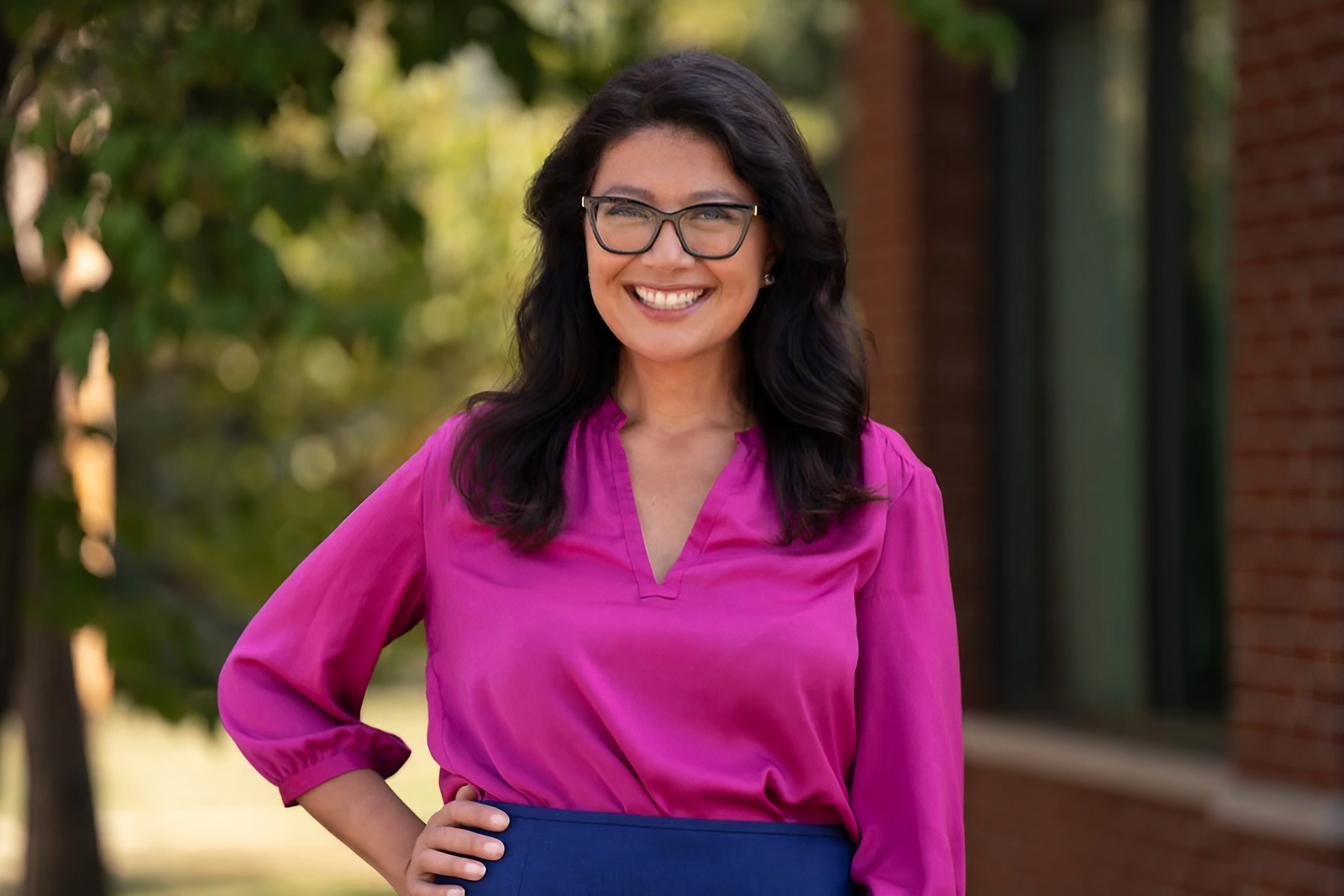
As an unapologetic champion of working people, Karina Villa’s demonstrated she’s unafraid to stand up to fascism. She understands budgets are moral documents, and will center the needs of residents over the whims of billionaires.
Read Karina Villa’s (IL Comptroller) responses to our 2026 Questionnaire
What types of transportation do you use during an average week, and how has this shaped your view of transportation policy?
I am a lifelong resident of West Chicago in DuPage County so my perspective on public transit is informed by my experience living in suburban Chicagoland. I have used a car as my primary mode of transportation all of my life because this has most often been the only option available to me.
The western suburbs do not have a robust public transportation system. As a school social worker, I saw first hand the challenges that many of the families I worked with faced because of the lack of reliable public transit. Whether it's getting children to school, an elderly parent to a Dr.'s appointment, or something as basic as getting groceries, I have always been keenly aware of how much more difficult life can be for many of the low income families I worked with, simply because we do not have accessible and affordable public transportation. Since being an elected official, I have created a Senior Advisory Committee, with one focus being the lack of reliable and affordable transportation in the western suburbs. We have brought key stakeholders together, including PACE, to bring forth policy solutions to diminish red tape and ensure our seniors are able to access essential services.
As co-chair of the Senate Progressive Caucus, I have been a champion for creating the revenue sources needed to build a world class public transit system across all of Illinois but especially the Chicagoland area. Earlier this year, I was proud to support the Northern Illinois Transit Authority Act which passed during the veto session. Not only did I support this legislation, but I consistently fought for progressive revenue sources so that we could make the fullest investment possible to build the public transit system Illinois families deserve.
I am fortunate that I have been able to afford to own a car. I can navigate across the suburbs, to and from Springfield and Chicago for my work, but this is not a luxury many families across our state can afford. I know that not having good and reliable public transit can significantly impact people’s economic opportunities, can worsen disparities, and generally leads to worse public health outcomes.
The office of the Comptroller has the clearest line of sight into where Illinois’ resources are going. It can also be a watchdog for the ways we are falling short of fully funding all of the critical public services families across our state need to thrive. The role of the Comptroller can be so much more than just an administrative book keeper, it can be a vocal advocate for the public investments our communities need. I am committed to using the office of Comptroller to advocate for reliable and affordable public transportation access for everyone, regardless of income, race, or zip code.
What are some of the transportation budgetary and funding challenges–and opportunities–faced statewide?
Let's be clear, the funding challenges we face boil down to one major issue: inadequate revenue. The way to fix this is not to place greater burdens on working families, but to make sure the wealthy are paying their fair share. I have always been a staunch supporter of raising progressive revenue to fund the services all Illinois’ communities need. I intend to use the office of the Comptroller to raise awareness about the need for progressive revenue to fully fund critical public services and infrastructure for public transit.
We know that there have been recent improvements made to transit funding, including the NITAA. However, Illinois would be in a much stronger position if more reliable and progressive revenue streams could be made possible through a progressive income tax. I will use my platform as State Comptroller to advocate for the progressive revenue sources we need to fully fund the public services Illinois’ families deserve like public transit.
What role do you view the comptroller can play in bringing funding sources and revenue streams to state transportation projects?
As I said before, I think the IL State Comptroller can do so much more than just managing the state’s financial accounts. While this is an important and constitutional responsibility, I believe the comptroller should also be a vocal advocate for financial policies that will improve conditions for all of Illinois working families.
I regularly say that we cannot pat ourselves on the back for passing a balanced budget when working families are struggling to put food on the table. We can’t celebrate that our state has a rainy day fund and several credit upgrades while families are being forced to decide whether they need to skip a prescription so that they can pay the rent.
If you support this campaign you will not be getting another politician who tells you why we don’t have money for the things our communities need. You will be getting a partner who will fight like hell in Springfield to make sure that we are creating the revenue sources needed to build an economy that works for working people. And central to that economy is having a world class public transit system that is truly accessible, affordable, and reliable for all Illinoisans.
Are there ways you believe Illinois could be better stewards of funding it receives for transportation projects?
It is understandable that many feel as if a disproportionate amount of Illinois resources go toward facilitating travel via cars rather than building public transportation. A lot of this is because of how woefully inadequate our investments in public transportation have been historically. We have made progress in remedying some of this with the investments in NITAA but we have a long way to go. Ultimately, as I have said before, this is more of an issue of inadequate revenues.
The Office of the Comptroller also has an important responsibility to audit the state’s books and ensure resources to local governments are free of fraud, waste, and comply with all laws. As someone who has routinely championed strong ethics laws in State Government, I will make sure that the office is transparent about how our taxpayer dollars are being spent and the order bills are being paid.
As Comptroller, I will also go beyond standard reporting by clearly outlining how much funding different initiatives receive, what remains unmet, and how those gaps affect the communities that depend on fully funded services. True transparency is more than posting expenditures, it means exposing inequities and calling attention to where the state is not meeting its obligations.
Federal funding for Illinois transportation projects – such as the Red Line Extension – has come under threat from the Trump administration. As Comptroller, how do you intend to shore up funding for critical infrastructure projects under a hostile federal climate?
As Comptroller, I will always stand up to Trump, strongly and unapologetically. As the only candidate in this race who has been on the front lines fighting ICE, and you can count on me to stand up to Trump with the same vigor and passion regarding federal funding for vital services including funding for public transit.
Critical infrastructure improvements, such as the Red Line Extension, are necessary for our communities. This project goes through predominantly low-income, Black neighborhoods in Chicago, and it helps to lessen the impact of the overall public transit desert on the far south side of Chicago. We must do everything in our power to safeguard it from the potential impacts of federal cuts. This must include fighting back with every tool in our arsenal which must include legislating, litigating, and mobilization.
I believe we in Illinois may be faced with a very difficult responsibility of having to choose between accepting draconian cuts or finding the progressive revenue we need to fund critical services the federal government has rolled back. We need leaders at the highest level of our state government who will not accept these cuts as inevitable consequences of a Trump administration but instead are ready to fight for the progressive revenue Illinois may need to literally “keep the trains running” as we weather this unprecedented federal assault on our state. I have proven again and again that I will be that fighter and will use every power and authority of the office of the Comptroller to stand up for the working families of Illinois in the face of Trump’s authoritarian and austerity politics.