We endorse Jenny Levin for Illinois House District 51.
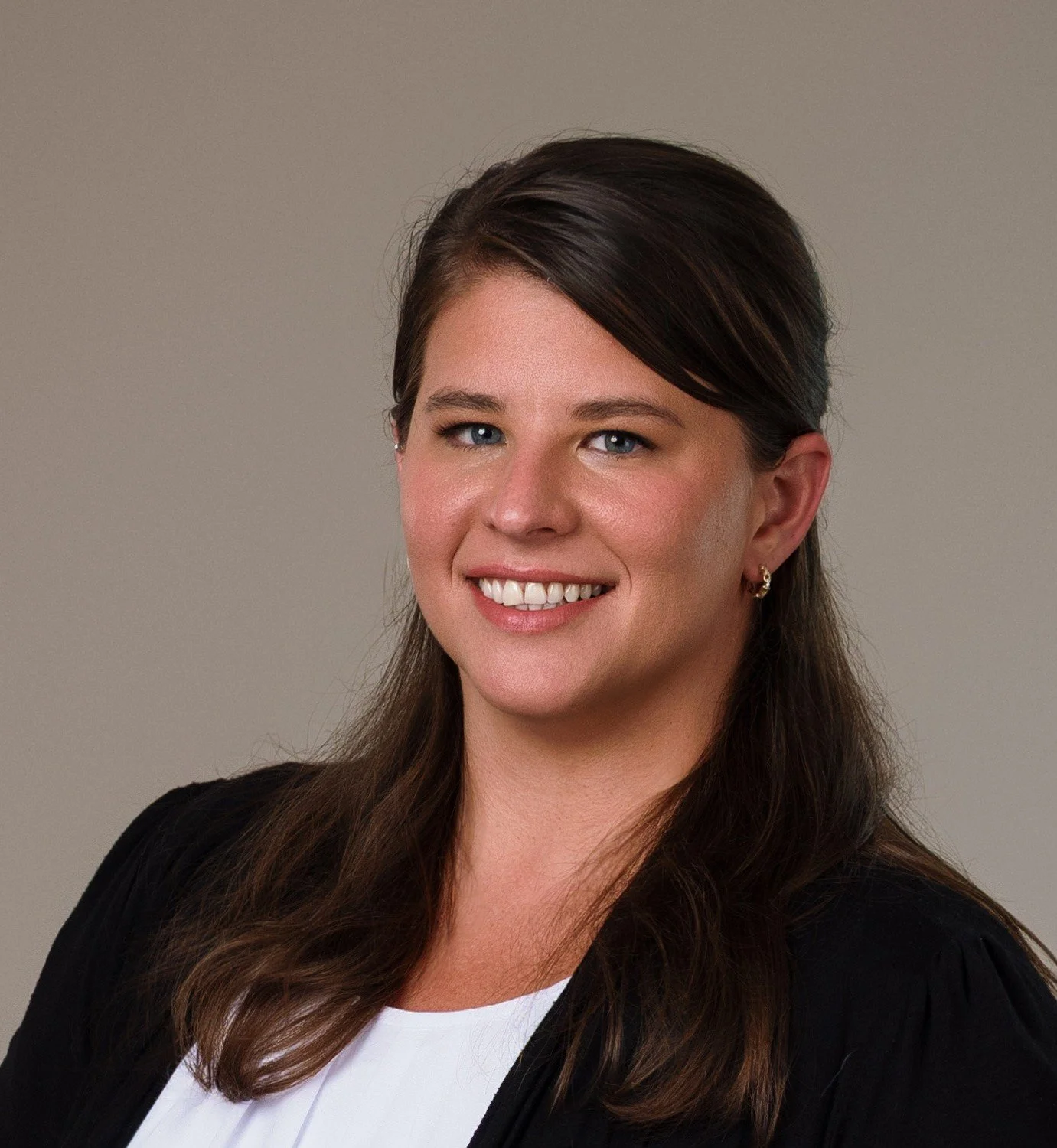
A nurse with a background in EMS, Jenny Levin has the unique experience of seeing Chicago’s streets from the back of an ambulance. Jenny says “It has been a visceral education in how dangerous crowded streets and transit time can be. This has given me appreciation for the need for accessible public transportation in the suburbs and interest in transit related housing.”
Jenny’s understanding of the real-world implications of car violence poise to make her a fierce advocate in the general assembly.
Read Jenny’s responses to our questionnaire
What types of transportation do you use during an average week, and how has this shaped your view of transportation policy?
Living in the suburbs, by necessity my primary mode of transportation is by private automobile. I have utilized the Metra regularly with friends pretty much any time we venture into the city of Chicago. I have also worked in private EMS transportation and spent many shifts navigating the streets of both the city and the suburbs, often during emergencies requiring full lights and sirens. It has been a visceral education in how dangerous crowded streets and transit time can be. This has given me appreciation for the need for accessible public transportation in the suburbs and interest in transit related housing.
What are some transportation challenges in your district?
My district has a lack of safe bicycle routes. The situation is worse as electric bikes and scooters have become popular. That popularity is leading to concerns for pedestrian and biker safety since many who utilize electric bikes do not follow the rules of vehicular transit, but can not be safely compared to standard bicycles. While each township has provided special senior transportation, such cannot go across township lines. Finally, the Chicago Bears are likely moving to the district adjacent to mine, which will create the need for added public transportation and adjusting vehicle flow to reduce congestion.
The Illinois Department of Transportation (“IDOT”) plays a significant role in transportation throughout the state, in Chicago, and Cook County. What is your opinion on their role with the Chicago Department of Transportation, Cook County Department of Transportation and Highways, local communities, and the impact that has?
IDOT is responsible for state roads in our communities, and coordinates with municipalities and townships on plowing and repair. Their role in rail interfaces with the train lines that cross the district. And they will have a major role if the Bears do move to Arlington Heights.
How do you view the Illinois General Assembly’s role in setting IDOT’s priorities for public transit, passenger rail, and strengthening accessibility in transportation?
The Legislature oversees IDOT, setting priorities, providing funds through budgeting, establishes regulations, and holds it accountable. While it looks toward the Department for direction, ultimately the Legislature has control of its activities and must consider both the experience and expertise of the department as well as the needs of the districts while setting direction for those activities.
States like Colorado, Minnesota, Virginia have passed legislation that has shifted their transportation infrastructure spending towards projects that prioritize safety, transit and cycling, and greenhouse gas mitigation. What’s your position on Illinois’ current transportation infrastructure spending, and if you could change anything, what would it be?
I believe that strong collaboration and coordination between IDOT is what would yield the greatest outcomes for residents that utilize public transportation. This past December IDOT was able to provide $10 million to the City of Chicago for public safety cameras along state routes and streets. When there are clear and coordinated actions being taken, this is in the best interest of the general populace.
This fall, the Illinois General Assembly passed a historic investment in transit operations – as well as significant governance reforms in the establishment of the Northern Illinois Transit Authority. How do you view the Assembly’s role in ensuring both the short- and long-term success of this legislation?
As stated in the last question, I see NITA as a major move towards prioritizing public transportation in the state, not just through assuring adequate funding for public transportation that will keep fares down and improve the safety on public vehicles, but also by raising the cost of tollway use, thereby creating an additional incentive for public transportation use.
What is your position on investing to expand passenger rail service in Illinois, including the development of high-speed rail?
I support the expansion of passenger rail service and, in particular, high speed rail in Illinois. It is a disgrace that our rail system is so far behind those in China and Europe. Faster, economical trains, which use less energy and create less pollution, become competitive with both air and automobile transportation
Federal funding for Illinois transportation projects – such as the Red Line Extension and Red-Purple Modernization projects – has come under threat from the Trump administration. How can legislators shore up funding for critical infrastructure projects under a hostile federal climate?
Trump’s holding up of funding for the CTA services is a critical problem in our public transportation. I do not have a clue on how to make up the loss beyond waiting, hoping for a Democratic government to reverse the hold in 2029 short of bonding, which would require higher fares, contrary to the goal of increasing public transit use. Other alternative funding sources such as instituting fees for driving within the central city as NYC has done, or finding other fees would likely not be politically viable. I will look towards working with public transit and cyclist advocates on finding solutions.